Chasing Glassy Dawns Across the Lakeland Waters

Wake before the birds and join us among quiet fells and silver stillness as we explore the best sunrise reflection photography spots on Lakeland lakes. From intimate tarns to sweeping meres, you’ll discover calm coves, classic jetties, and mist-draped shorelines, plus timing, access, and creative advice to help every frame glow. Share your favorite locations and subscribe for new dawn-ready itineraries.

Blea Tarn, Langdale

Sheltered beneath Side Pike and Lingmoor Fell, Blea Tarn often settles into exquisite calm just before first light. Work the cattle-grid viewpoint or the shoreline boulders for stable foreground anchors, then wait as pastel reflections bloom. A low tripod helps exaggerate symmetry; a soft grad balances brightening skies. Park respectfully, step lightly through dewy grass, and listen for sheep bells echoing across the valley while colors slowly awaken.

Rydal Water Mornings

Rydal Water’s reed beds and gently curving banks cradle smooth reflections when the air lies still. Begin near White Moss and trace the shoreline paths, scouting for overhanging branches and well-spaced stones that invite leading lines. If mist forms, let layers drift across mirrored trees to build dreamy depth. Keep shutter speeds moderate, watch for swans leaving delicate wakes, and time exposures between those graceful passages.

Big Lakes, Big Skies

The larger waters reward ambition with expansive color, dramatic cloudscapes, and long, receding shorelines. Their size can challenge calmness, so watch forecasts for slack winds and arrive extra early to claim steady vantage points. Jetties, boathouses, and gentle inlets help tame scale and steady reflections. Give the sky generous space, anticipate shifting patterns, and be ready to pivot compositions as light paints distant ridges anew.

01

Derwentwater Jetties

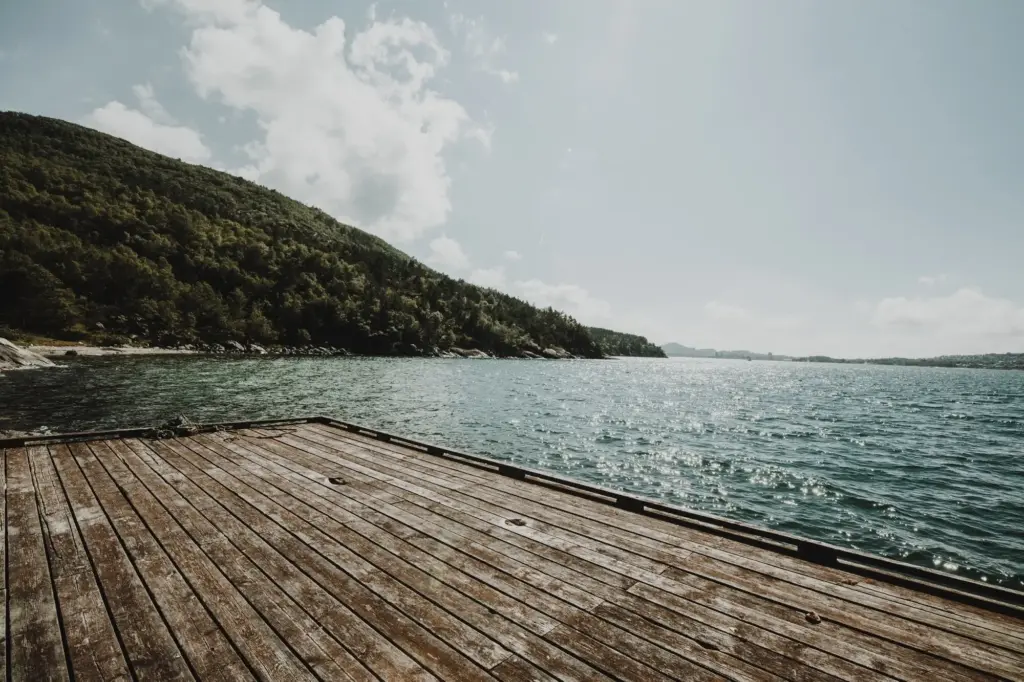
Derwentwater’s classic jetties near Keswick—especially around Ashness Gate and Calfclose Bay—present elegant geometry against slowly brightening ridges. Arrive in blue hour to set a precise tripod height and square the boards carefully. When breeze threatens, shelter behind trees or stone walls. Reflective calm often lingers along edges first, so compose tight, then widen once the surface stills. Watch for rowing boats, whose subtle wakes create painterly, intentional texture.

02

Ullswater’s Quiet Bays

Ullswater loves a calm dawn. Explore the bays near Pooley Bridge and the curve by the Duke of Portland Boathouse for anchored reflections and radiant color. Frame the boathouse sparingly to avoid cliché, emphasizing instead reed clusters, frost-laced shorelines, and gentle S-curves. If cloud breaks eastward, reflections can ignite suddenly. Keep filters ready, bracket exposures, and consider vertical framings that stretch skyward yet hold perfect shoreline symmetry below.

03

Windermere at Dawn

Windermere’s breadth demands patience, yet sheltered corners near Waterhead or Miller Ground often deliver calm windows. Scout jetties, weathered posts, or modest slipways to secure clean leading lines. Early ferries and passing ducks create ripples, so time bursts between disturbances. A telephoto lens compresses distant fell silhouettes into molten reflections. As color swells, refine your horizon and let negative space breathe, celebrating elegant simplicity over cluttered shoreline detail.

Valley Secrets and Hidden Shorelines
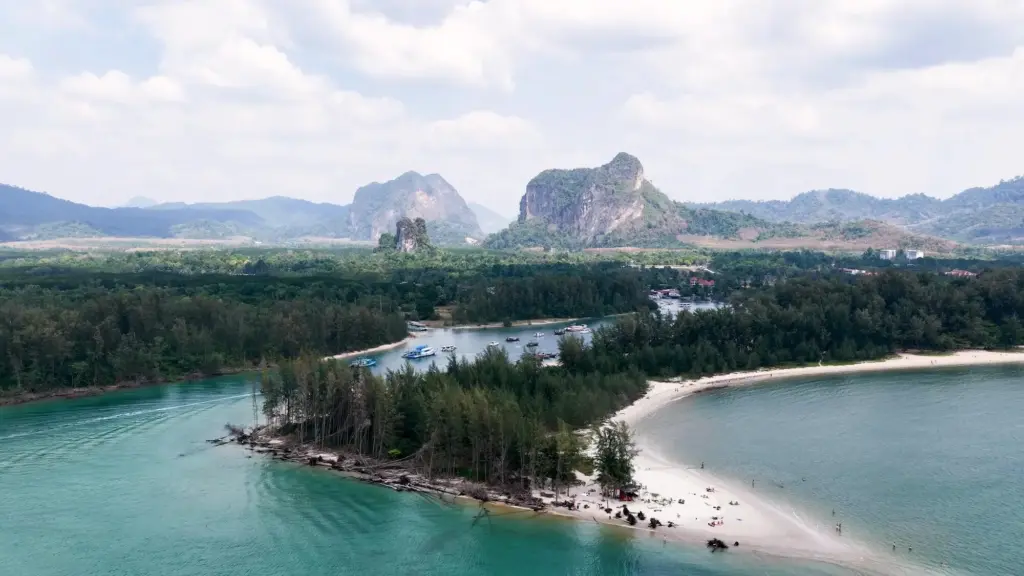
Beyond the obvious viewpoints lie quiet coves, tree-framed inlets, and pebble spits that welcome solitary mornings. These places offer forgiving waters, untouched sands, and soft gradients of color sliding across silk-smooth surfaces. Carry a headlamp, move carefully on slick stones, and notice bird calls guiding dawn’s rhythm. Each discovery invites fresh storytelling, turning familiar lakes into evolving chapters of reflection, contrast, and atmosphere across seasons and skies.

Buttermere’s Silhouettes

Buttermere greets sunrise with subtly etched silhouettes, where surrounding fells sink into perfect symmetry on windless days. Work the northern shore first for easier access and leading lines formed by shoreline walls. Avoid crowding recognizable trees; instead, let gentle ripples and low-angled light make your frame unique. Cold air pools here, so mist can cling beautifully. Watch for sheep paths to protect fragile turf and maintain quiet, respectful presence.

Crummock Water from Lanthwaite Wood

Slip through Lanthwaite Wood to the River Cocker outflow, where silty shallows and polished stones grant intimate reflections before sunrise wind arrives. Low vantage points strengthen symmetry, while a graduated filter protects highlights. If clouds gather, let textured skies echo across the water’s surface. Keep movements slow near wet roots, and pause occasionally to hear woodpeckers tapping like a metronome for the growing glow just beyond the trees.

Light, Weather, and Timing

Sunrise reflections thrive on a delicate partnership between still air, aligned cloud layers, and precise arrival. Study forecasts for low wind at surface level, pre-dawn temperature drops, and high-level cloud that catches color. Build timing buffers, scout backup shores, and accept that turning back can be wise. Document observations in a simple journal, refining judgment with each visit as your local knowledge deepens and your patience strengthens.

Technique and Gear for Mirror Perfection
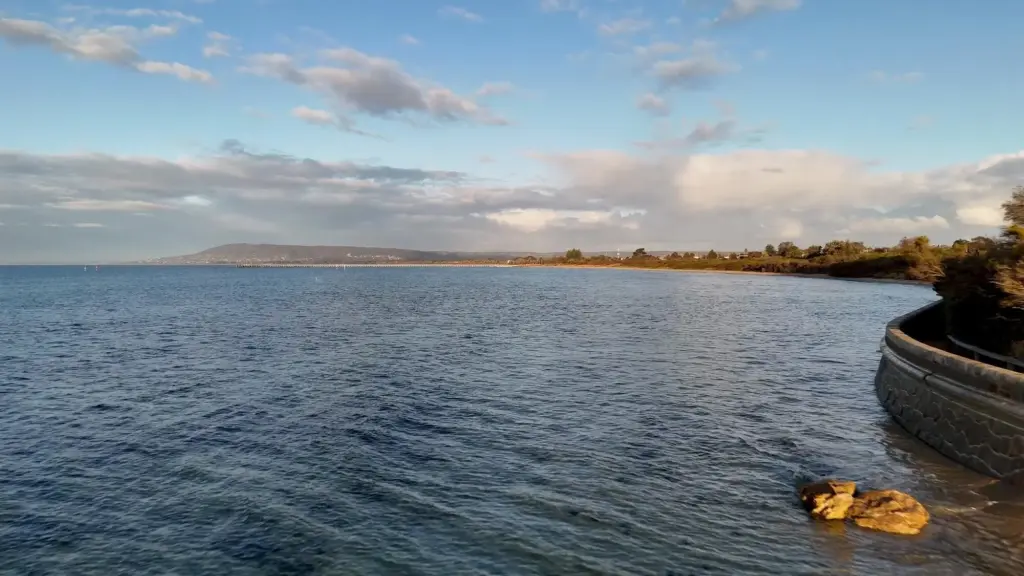
Beautiful symmetry deserves technical clarity. Prioritize stability, precise horizons, and disciplined exposure control. Keep ISO low, use a sturdy tripod, and consider a two-second delay or remote release. A gentle polarizer trim refines glare without muting reflections; soft graduated filters manage brightening skies. Compose with intention: sparse reeds, weathered posts, or a solitary boulder can speak volumes. Review histograms, breathe deliberately, and let calm guide every decision.

Access, Care, and Community

Getting There Smoothly

Research parking the night before, noting pay options and time limits. Preload offline maps, mark footbridges, and check first-light bearings to avoid last-minute dithering. Carry a headlamp with warm tint to protect night vision. Pack microspikes for icy approaches and a small towel for dew-soaked surfaces. Arrive with ten quiet minutes to center yourself, breathe, and visualize frames before color crests the horizon’s delicate edge.

Staying Safe and Kind

Research parking the night before, noting pay options and time limits. Preload offline maps, mark footbridges, and check first-light bearings to avoid last-minute dithering. Carry a headlamp with warm tint to protect night vision. Pack microspikes for icy approaches and a small towel for dew-soaked surfaces. Arrive with ten quiet minutes to center yourself, breathe, and visualize frames before color crests the horizon’s delicate edge.

Share, Learn, Return

Research parking the night before, noting pay options and time limits. Preload offline maps, mark footbridges, and check first-light bearings to avoid last-minute dithering. Carry a headlamp with warm tint to protect night vision. Pack microspikes for icy approaches and a small towel for dew-soaked surfaces. Arrive with ten quiet minutes to center yourself, breathe, and visualize frames before color crests the horizon’s delicate edge.