
First Light Along the Water’s Edge
Pack a thermos and step quietly with us into dawn wildlife encounters along Lakeland shores, where mist braids over still water and the first rays unlock hidden lives. We will notice delicate ripples, distant calls, and fresh tracks, then trade respectful techniques, stories, and photographs. Add your sightings, questions, and reflections so this shared shoreline becomes a living notebook of careful observation, empathy, and wonder that keeps you returning before sunrise.
Reading the Shore at First Light
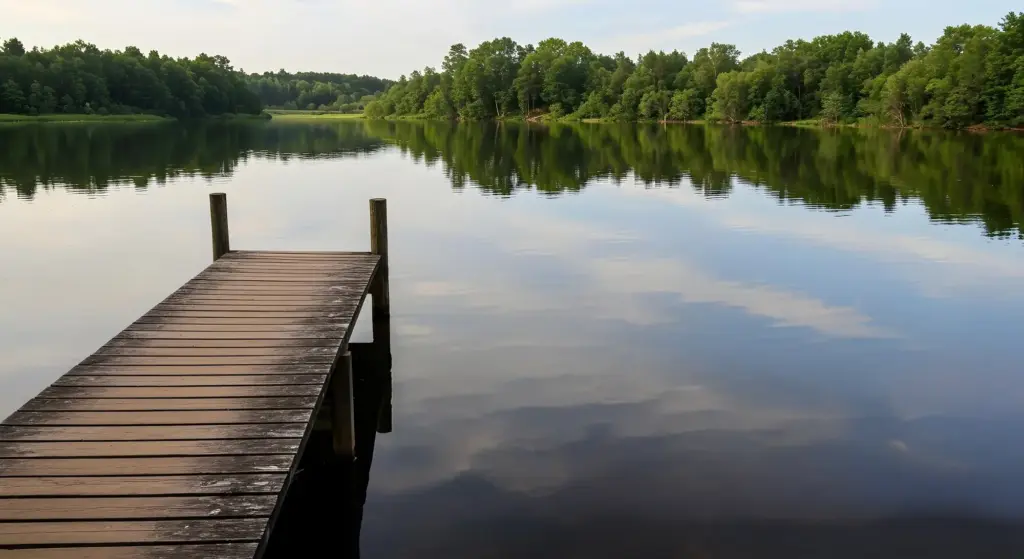
Before movement explodes into view, interpretation begins under soft, angled light. The lake writes in rings, shadows, and sudden silences. By slowing down, you’ll separate wind from fin, heron from stump, and mink from reflection. This mindful start rewards patience with small revelations that stack into understanding, guiding your steps, your lens, and your curiosity toward meaningful, low-impact encounters that linger long after the sky brightens.
Signature Species of Misty Mornings
Great Blue Heron Patience
A still heron is never truly still. Study the micro-movements—those fractional neck contractions, careful foot placements, and sudden, precise strikes. Early light sharpens edges and reveals the ripple from a missed stab, while backlight turns plumes incandescent. Keep a respectful distance; a single flushed bird forfeits breakfast and wastes precious energy. Note favored perches, tide-like seiche cycles, and frog choruses. Returning to these patterns rewards you with quiet, intimate glimpses that require no chase at all.
Otter Family Patrols
Listen for chirps and the slap of playful tails near rocky points. Dawn brings coordinated foraging, synchronized dives, and proud surface moments where whiskered faces chew triumphantly. A respectful observer kneels low, avoids silhouettes against bright water, and never blocks escape routes. Record where they haul out, where they cache shellfish, and which logs host grooming. One winter morning, I watched pups slide a snowed bank into black water, resurfacing with pure delight, etching joy into memory.
Loon Calls Over Glassy Water
A loon’s tremolo shivers through mist and marrow alike. Study behaviors: the low-profile cruise, the purposeful dive, and the wing-flapping display that sheds water like scattered gems. Distances matter—loons guard nests fiercely and tire easily when flushed. Use binoculars, not bravado. Track timing of resurfacing by counting seconds after dives, and learn how prey availability shapes routes between open water and vegetated pockets. Let their language guide your patience instead of your impatience guiding your pace.
Ethical Fieldcraft and Safe Approaches
Wild mornings ask for humility. Keep to durable surfaces, yield space at the first sign of agitation, and sidestep nests, dens, and tender vegetation. Let lenses extend your reach rather than footsteps. Pack out every scrap, even tangles of fishing line. Share precise locations cautiously, prioritizing animal safety over attention. This shoreline is a breathing community, not a backdrop; your quiet choices ripple outward, shaping countless tomorrows you may never personally witness but still profoundly influence.

Working with Fog and Low Contrast
Embrace softness. Expose slightly to the right to preserve whites in mist while holding shadow detail for reeds and feathers. Use manual focus when autofocus hunts across gray layers. Compose with strong silhouettes—an upright heron or leaning snag—anchoring the scene. Fog muffles sound, too, so listen harder. Often, a story in haze feels truer to dawn’s hush than crystal clarity ever could, inviting viewers into the sensation of being there, breathing slowly between unseen wings.
Backlight, Silhouettes, and Silvered Spray
Stand where the sun is a partner, not a problem. Backlight halos fur, threads spiderwebs, and turns splashes into constellations. Meter for highlights, then let shadows fall mysterious. Try stopping down for starburst sparkle on ripples, or open wide for dreamy glow. A preening duck framed in firelit mist can communicate warmth, fragility, and presence better than technical perfection. Let luminous edges carry emotion, reminding you that seeing is more than collecting detail.
Notes, Photos, and Sharing the Morning
Memories grow sturdier when written, drawn, and shared with intention. Field notes organize place, time, weather, and species, while photographs hold posture, context, and light. Pair both with ethical captions that protect sensitive locations. Invite readers to compare observations, submit audio clips, or annotate maps with seasonal changes. Subscription updates can spotlight community highlights, upcoming migrations, and conservation efforts, transforming your sunrise ritual into a collaborative practice that benefits lakes, neighbors, and returning wings.


Seasonal Rhythms Along Inland Lakes
Dawn never repeats itself, especially across seasons. Spring paints arrivals with courtship color and frantic feeding. Summer steadies into broods, lily rafts, and dragonfly patrols. Autumn braids migration highways overhead, while winter compresses life into concentrated leads. Tracking these cycles deepens respect and anticipation, letting you show up prepared, gentle, and tuned to the specific choreography dancing beneath every temperature, wind shift, and whispering shoreline reed.

All Rights Reserved.